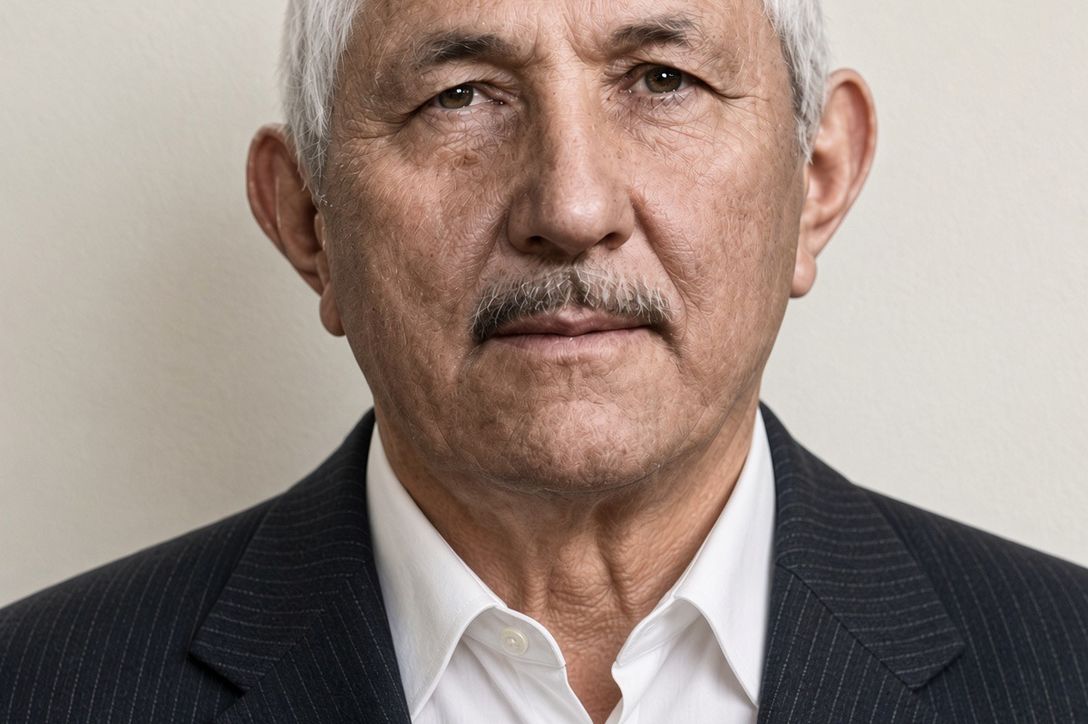
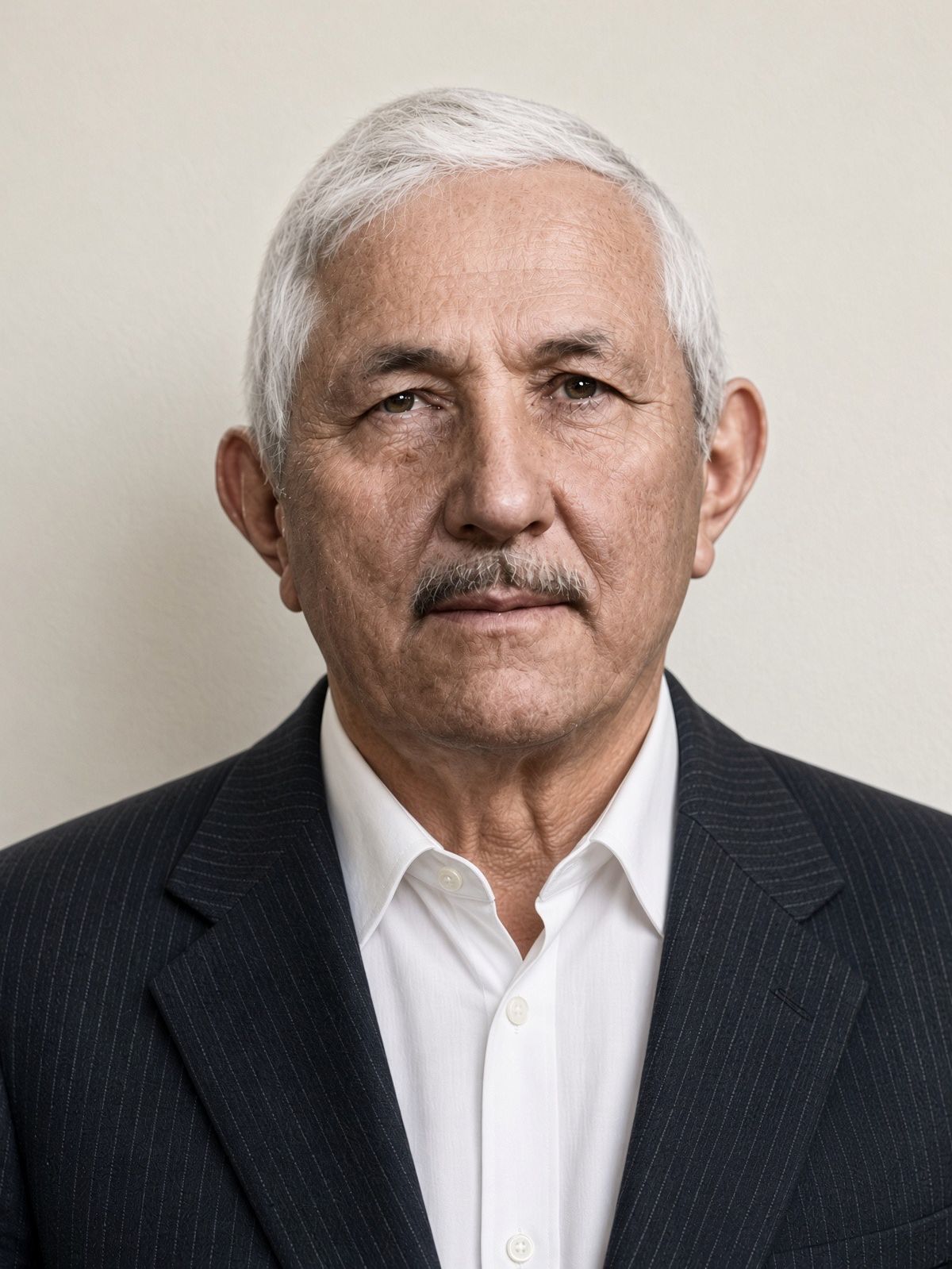
The future choreographer was born on May 7, 1909, in Warsaw to a military family. During World War I, the family moved to Novocherkassk on the Don River. At the age of sixteen, the young man began studying at a private ballet studio and later graduated from the choreography department of the Kherson Music Technical School.
Vladimir Stepanovich began his professional stage career as a ballet dancer at the Krasnodar Theater of Musical Comedy. When the new G. I. Petrovsky Ukrainian Music and Drama Theater was founded in the North Caucasus in 1931, the young star was invited to join the ballet company. In 1935, along with the theater’s core cast, he moved to Podillia, and by 1938 he had assumed the position of ballet master for the troupe. His brilliant body of work from that period includes dance productions and choreographic compositions for some of the most iconic performances, among them “The Wedding in Malynivka,” “The Gypsy Aza,” “Unconsecrated Love,” “Marusya Boguslavka,” “Bohdan Khmelnytsky,” and many others.
In 1956, Volodymyr Titov began working at the Khmelnytskyi Garrison Officers’ Club, where he founded a military dance ensemble. The troupe quickly gained popularity not only in the city but also far beyond its borders, repeatedly winning first place at competitions in the Carpathian Military District. At the same time, the artist never left the stage of his home theater—he constantly prepared new dance numbers for productions and, for a time, performed himself as a ballet soloist.